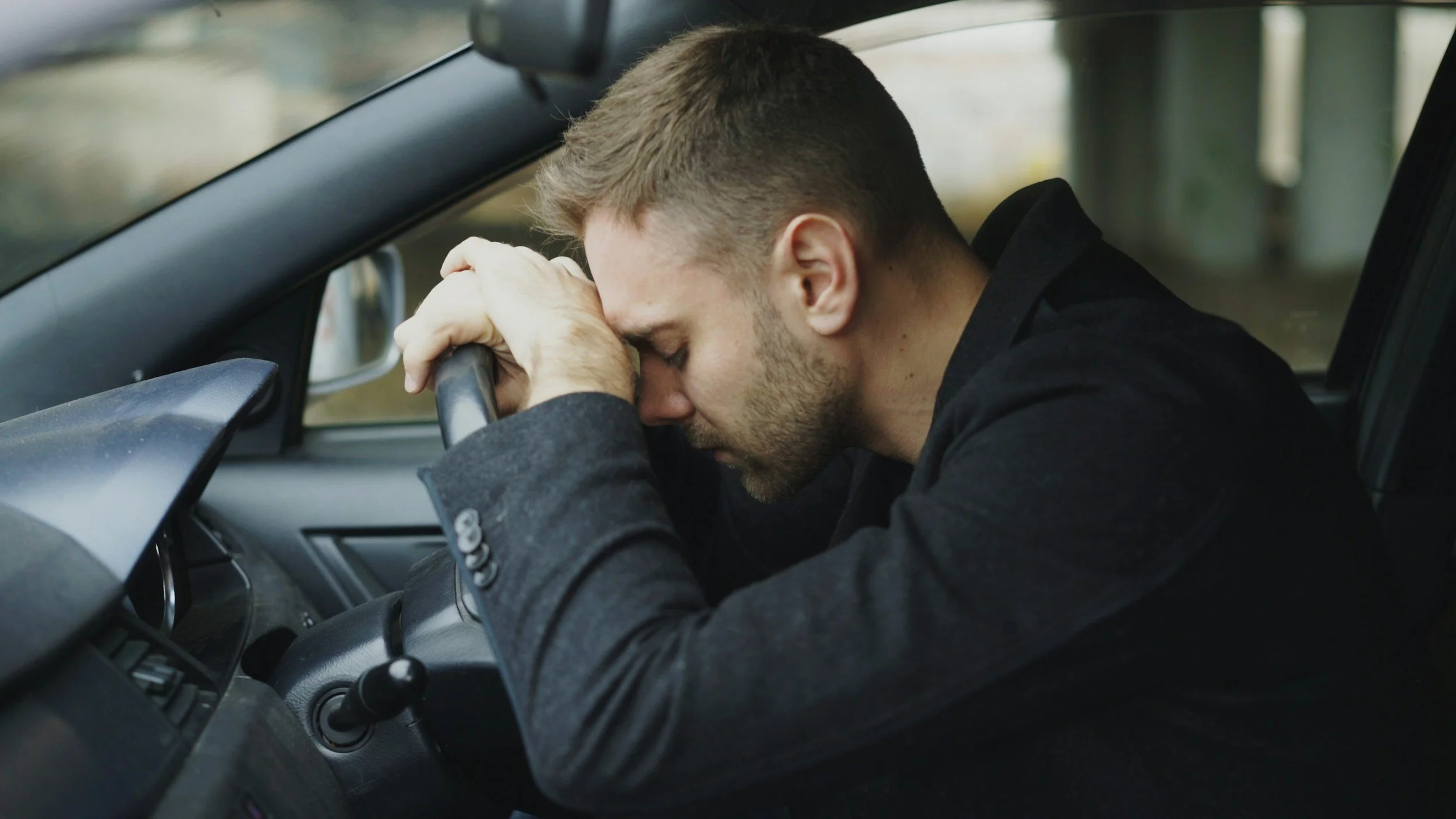
You don’t have to “just deal with it” after an accident.
EMDR Therapy for Car Accident & Injury Claims (PIP)
Car Accident Trauma. PIP Insurance Accepted. EMDR Therapy. Flashbacks & Intrusive Memories. Driving Anxiety. Nervous System Reset. Insurance-Ready Documentation. Medical Necessity Established. Post-Accident Stress. Return to Driving Confidence. Evidence-Based Trauma Care. Fast Access Appointments.
Car Accident Trauma. PIP Insurance Accepted. EMDR Therapy. Flashbacks & Intrusive Memories. Driving Anxiety. Nervous System Reset. Insurance-Ready Documentation. Medical Necessity Established. Post-Accident Stress. Return to Driving Confidence. Evidence-Based Trauma Care. Fast Access Appointments.
EMDR Therapy for Car Accident Trauma
Your PIP Insurance Covers This. We Handle the Rest.
A car accident can shake more than your body.
Even after the physical injuries heal, your nervous system may still be stuck in the moment of impact — replaying it, bracing for it, trying to protect you from something that already happened.
You might notice:
Anxiety when driving or riding in a car
Flashbacks or intrusive memories of the accident
Feeling jumpy, on edge, or easily startled
Sleep problems or nightmares
Avoiding certain roads, intersections, or highways
A general sense that something is "off" — even if you can't name it
This isn't weakness. It's a normal response to an abnormal event. And it responds really well to treatment.
Why EMDR Works for Car Accident Trauma
EMDR (Eye Movement Desensitization and Reprocessing) doesn't just help you talk about what happened — it helps your brain actually finish processing it.
When a traumatic memory gets stuck, your nervous system keeps responding as if the threat is still present. EMDR targets that stuck memory directly, reducing its emotional intensity so it no longer hijacks your daily life.
Clients often experience meaningful relief faster than with traditional talk therapy — and get back to driving, sleeping, and functioning with a lot less effort.
Your PIP Insurance Likely Covers This
If you were in a car accident in Washington State, your auto insurance policy almost certainly includes Personal Injury Protection (PIP) — and PIP typically covers mental health therapy, including EMDR.
We work directly with PIP claims, which means:
We bill the insurance directly
We use billing codes and documentation that insurance companies recognize
Our clinical notes are structured, thorough, and built to support your claim from day one
You don't have to figure any of this out on your own
Most therapists avoid PIP cases because the documentation requirements are real. We've built our process around them.
What Sets Our Documentation Apart
PIP claims live and die by the quality of the paperwork. Vague notes lead to delays, denials, and headaches — for you and for your attorney, if one is involved.
We use AI-assisted clinical documentation tools to support accuracy and consistency across every session. That means:
Clear, specific language connecting your symptoms to the accident
Structured notes that track your progress over time
Documentation that meets insurance standards without gaps or ambiguity
Defensible records from the very first appointment
Your therapist remains fully in charge of your care and your records. AI supports the process — it doesn't replace the clinical relationship.
And yes, we use HIPAA-compliant tools. Your privacy is protected.
For Attorneys
We work regularly alongside personal injury attorneys. We understand that continuity of care and clean documentation matter — for your client and for the claim.
We provide:
Timely treatment summaries and progress documentation
Clinically grounded records that can hold up to scrutiny
Clear connection between presenting symptoms and the incident
Responsive communication when coordination is needed
If you have a client or patient who would benefit from trauma-focused therapy after an accident, we'd be glad to connect.
One Thing Worth Knowing About Timing
Earlier treatment typically means better outcomes and a smoother insurance process. If there's been some time since the accident, that's okay — but we'd encourage you to reach out sooner rather than later.
Ready to Get Started?
Step 1: Contact us and mention you have a PIP claim
Step 2: Give us the insurance company information and claim number
Step 3: You start EMDR focused on recovery — we handle the rest
“Their attention to detail and commitment to quality truly stood out. We’ve already recommended them to others.”
Former Customer